
Slitter blades play a critical role in industrial cutting and slitting operations. Whether used in metal processing, paper manufacturing, packaging, or textile industries, these precision cutting tools directly affect production quality, machine efficiency, and operational costs. Proper maintenance of slitter blades is essential to ensure consistent cutting accuracy, reduce downtime, and extend blade lifespan.
High-quality rotary slitter blades, like those manufactured by Maxwell Slitter Industries, are engineered using premium materials such as D2, D3, HSS, H11, and H13 tool steels with precision grinding and vacuum heat treatment for superior durability and wear resistance. However, even the best slitter blades require proper maintenance practices to deliver long-lasting performance.
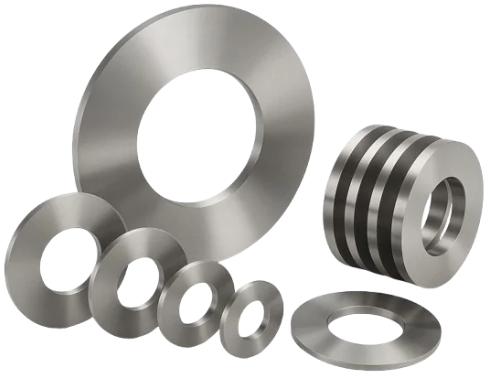
Why Slitter Blade Maintenance Matters
Industrial slitter blades operate under extreme conditions, including high speeds, continuous friction, pressure, and exposure to different materials. Over time, this can lead to dull edges, burr formation, misalignment, and surface damage.
Regular maintenance offers several benefits, including:
- Improved cutting precision
- Reduced machine downtime
- Lower replacement costs
- Consistent product quality
- Reduced material waste
- Enhanced operator safety
According to maintenance insights from Maxwell Slitters, sharp and properly maintained blades help reduce machine stops and improve production efficiency.
1. Clean Slitter Blades Regularly
One of the simplest yet most important maintenance practices is regular cleaning. During slitting operations, dust, adhesive residue, metal particles, oil, and debris accumulate on the blade surface. If not cleaned properly, these contaminants increase friction and heat, which accelerate wear.
Best Cleaning Practices
- Use a soft, lint-free cloth
- Apply blade-safe cleaning solutions
- Remove debris after every production cycle
- Avoid abrasive materials or harsh chemicals
Cleaning prevents corrosion and maintains the sharpness of the cutting edge. Experts recommend cleaning blades at the end of each shift or after every major operation.
For adhesive-based materials like films and tapes, residue buildup can significantly reduce cutting performance. Proper cleaning ensures smoother operation and cleaner cuts.
2. Inspect Blades Frequently
Routine inspection helps identify wear before it becomes a major issue. Small cracks, chips, uneven edges, or alignment problems can affect cut quality and damage the machine.
What to Check During Inspection
- Blade edge sharpness
- Burr formation
- Surface cracks or chips
- Uneven wear patterns
- Blade alignment
- Corrosion or discoloration
Industrial experts suggest using proper lighting and magnification during inspections to detect early-stage damage.
Early detection allows operators to sharpen or replace blades before production quality declines.
3. Sharpen Blades at the Right Time
Blade sharpening is critical for maintaining efficient cutting performance. A dull blade requires more force to cut materials, increasing machine stress and reducing productivity.
Signs Your Slitter Blades Need Sharpening
- Rough or uneven cuts
- Increased burr formation
- Excessive machine vibration
- Unusual operating noise
- Higher cutting pressure
Industry recommendations suggest sharpening intervals based on workload and material type. High-production operations may require sharpening every 40–60 hours, while moderate usage may extend to 80–100 hours.
Timely sharpening prevents excessive wear and extends blade life. Delaying regrinding can lead to blade chipping and permanent damage.
4. Use the Correct Blade Material
Different slitting applications require specific blade materials and hardness levels. Using the wrong blade type can cause rapid wear, edge failure, or inconsistent cuts.
High-performance slitter blades are commonly manufactured from:
- D2 Tool Steel
- D3 Tool Steel
- High-Speed Steel (HSS)
- H11 and H13 Steels
- Tungsten Carbide
Maxwell Slitter Industries manufactures rotary slitter blades using these advanced materials for applications involving stainless steel, aluminum, copper, brass, paper, plastics, and more.
Selecting the correct blade material based on the cutting application significantly improves blade durability and cutting consistency.
5. Maintain Proper Blade Alignment
Incorrect blade alignment is one of the most common causes of poor cutting quality and premature wear. Misalignment creates uneven pressure across the blade edge, leading to vibration, chipping, and rough cuts.
Alignment Maintenance Tips
- Verify shaft positioning regularly
- Check overlap settings
- Ensure proper cutting clearance
- Inspect spacers and mounting surfaces
- Tighten components correctly
Experts note that improper horizontal clearance and excessive overlap are major causes of blade chipping.
Proper alignment improves cutting precision while minimizing mechanical stress on both the blade and machine.
6. Lubricate Moving Components
Lubrication is essential for reducing friction and preventing overheating in slitting systems. While the cutting edge itself may not always require lubrication, surrounding machine components such as bearings, shafts, and moving assemblies must remain properly lubricated.
Benefits of Proper Lubrication
- Reduced friction
- Lower operating temperatures
- Smoother machine performance
- Reduced vibration
- Longer equipment lifespan
Routine lubrication also helps maintain stable blade movement during high-speed operations.
7. Store Slitter Blades Properly
Improper storage can damage even unused blades. Moisture, accidental impacts, and poor handling often cause corrosion, edge damage, and deformation.
Proper Storage Guidelines
- Store blades in dry environments
- Use protective covers or cases
- Avoid stacking blades directly
- Apply anti-corrosion protection if necessary
- Handle blades carefully during transportation
Industrial blade specialists emphasize that precision rotary slitter blades should always be stored clean and protected from corrosion.
Safe storage practices protect the blade edge and maintain accuracy until the next use.
8. Train Operators on Blade Handling
Even premium slitter blades can fail prematurely if handled incorrectly. Operators should understand proper installation, cleaning, sharpening schedules, and safety procedures.
Training should include:
- Correct blade installation
- Safe handling techniques
- Inspection procedures
- Proper cleaning methods
- Emergency shutdown protocols
Proper operator training reduces accidental damage and improves overall equipment efficiency.
Choose Quality Slitter Blades for Better Performance
Maintenance is important, but blade quality also plays a major role in long-term performance. Precision-engineered slitter blades manufactured with tight tolerances and advanced heat treatment provide cleaner cuts, improved wear resistance, and longer service life.
Maxwell Slitter Industries produces custom rotary slitter blades and slitter knives designed for high-speed coil slitting and industrial cutting applications. Their blades feature CNC grinding, vacuum heat treatment, zero runout, and burr-free cutting performance for industries worldwide.
Conclusion
Maintaining slitter blades properly is essential for achieving long-lasting performance, high-quality cuts, and efficient industrial operations. Regular cleaning, timely sharpening, correct alignment, proper storage, and selecting the right blade material all contribute to improved productivity and reduced operational costs.
Businesses that invest in preventive maintenance not only extend blade lifespan but also improve machine reliability and product consistency. Combined with high-quality rotary slitter blades from trusted manufacturers like Maxwell Slitter Industries, proper maintenance ensures maximum performance in demanding industrial environments.